Common Causes of Cracks in Commercial Concrete Slabs
To address common causes of cracks in commercial concrete slabs, local contractors can assess the damage and provide effective repair solutions to restore slab integrity.
Understanding the common causes of cracks in commercial concrete slabs can help property owners identify potential issues before they develop into costly repairs. Factors such as soil movement, improper mixing, or inadequate curing are typical contributors that can compromise the integrity of a concrete slab over time. Property owners in the area who notice uneven surfaces or visible cracks may find it beneficial to explore these causes, as addressing them early can prevent further damage and extend the lifespan of the slab. Local contractors experienced in commercial concrete repair are well-equipped to diagnose these issues and recommend effective solutions, ensuring the stability and safety of the property.
Exploring why cracks form in commercial concrete slabs provides valuable insight into maintaining a durable and functional property. Common reasons include settlement, thermal expansion, or heavy loads that exceed the slab’s capacity. Recognizing these factors can help property owners decide when professional repair services might be necessary. Local service providers specializing in crack repair can assess the specific conditions contributing to the damage and implement appropriate fixes. Keeping informed about these causes not only helps in maintaining the property’s appearance but also supports long-term structural integrity.
- Commercial concrete slab crack repair services are often needed when settlement or shifting causes cracks to appear in the slab surface, and local contractors use specialized techniques to stabilize and repair the damage.
- When concrete slabs develop cracks due to improper curing or poor mixture quality, local service providers assess the extent of the damage and apply appropriate sealing or patching solutions.
- Cracks resulting from freeze-thaw cycles or moisture infiltration can be addressed by local pros through targeted repairs that prevent further deterioration and maintain structural integrity.
- Heavy loads or repeated traffic can lead to stress cracks in commercial slabs, prompting local contractors to reinforce and repair affected areas to extend the lifespan of the surface.
- Expansion and contraction caused by temperature fluctuations are common causes of cracks, and local service providers typically use flexible repair materials to accommodate movement and prevent future issues.
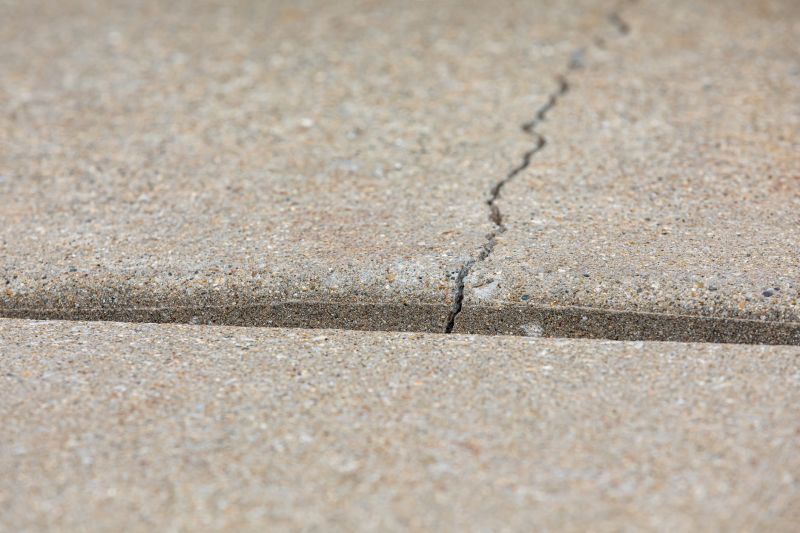
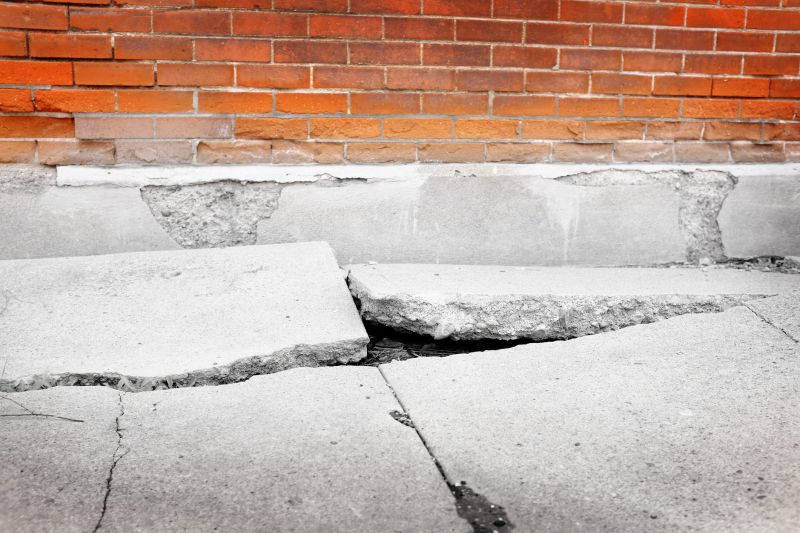
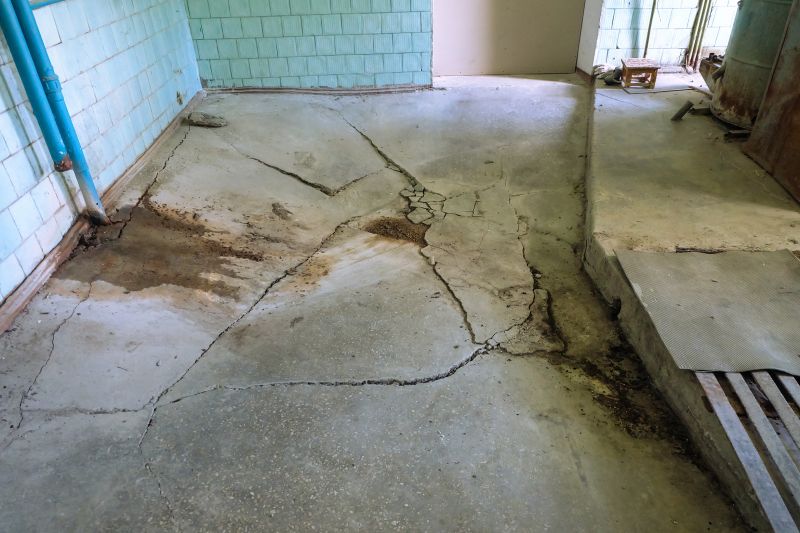
Understanding the common causes of cracks in commercial concrete slabs is essential for property owners, facility managers, and developers who want to maintain the integrity and safety of their structures. When searching for this topic, many people are typically concerned about the structural stability of their commercial properties, which often include warehouses, retail centers, parking garages, and industrial facilities. Cracks can signal underlying issues that, if left unaddressed, may lead to more significant problems such as uneven surfaces, safety hazards, or costly repairs. Recognizing the root causes of these cracks helps property owners plan appropriate repair strategies and prevent future damage, making it a key part of ongoing property maintenance and management.
The problems related to cracks in commercial concrete slabs often involve a combination of environmental, design, and material factors. For example, improper concrete mix or inadequate reinforcement can weaken the slab, making it more vulnerable to cracking over time. Environmental conditions, such as freeze-thaw cycles, excessive moisture, or temperature fluctuations, can also cause expansion and contraction that lead to cracking. Additionally, poor site preparation-like uneven subgrade or insufficient compaction-can create weak spots that develop into visible cracks. These issues are common in properties that experience heavy loads or frequent traffic, where the structural stress can accelerate deterioration if underlying causes are not addressed.
Cracks in commercial concrete slabs are most frequently observed in properties with large, flat surfaces that bear significant weight or experience regular movement. Parking lots, loading docks, and factory floors are typical examples where cracks may appear due to the constant pressure from vehicles, equipment, or foot traffic. These properties often have extensive concrete surfaces that, if not properly designed or maintained, are more prone to developing various types of cracks, such as surface crazing, settlement cracks, or structural fractures. Recognizing the property type and its usage helps determine the most likely causes of cracking and guides the selection of appropriate repair solutions by experienced local contractors.
Addressing cracks in commercial concrete slabs requires the expertise of service providers who understand the specific causes and the best methods for repair. Local pros specializing in concrete slab crack repair can assess the property’s unique conditions, identify the underlying issues, and recommend suitable solutions. Whether the cracks stem from soil movement, material failure, or environmental stresses, experienced contractors can implement repairs that restore the slab’s stability and extend its lifespan. For property owners, connecting with these local specialists ensures that repairs are performed correctly and efficiently, helping to protect the value and safety of commercial properties over time.
Industrial flooring installation - projects that require precise planning and use of heavy-duty tools, similar skills needed for diagnosing and repairing cracks in commercial concrete slabs.
Parking lot construction - involves understanding soil conditions and load impacts, which are also key factors in addressing common causes of cracks in commercial slabs.
Warehouse flooring services - demand expertise in slab leveling and crack prevention, aligning with the repair techniques used for cracked commercial concrete surfaces.
Retail space concrete finishing - requires attention to surface quality and proper curing, skills relevant to preventing and fixing cracks in commercial slabs.
Sidewalk and walkway installation - involves similar planning and material handling skills used in identifying and repairing cracks in large concrete slabs.
Foundation repair services - deal with soil movement and structural issues that often cause cracks, making their expertise applicable to commercial concrete slab crack repair.
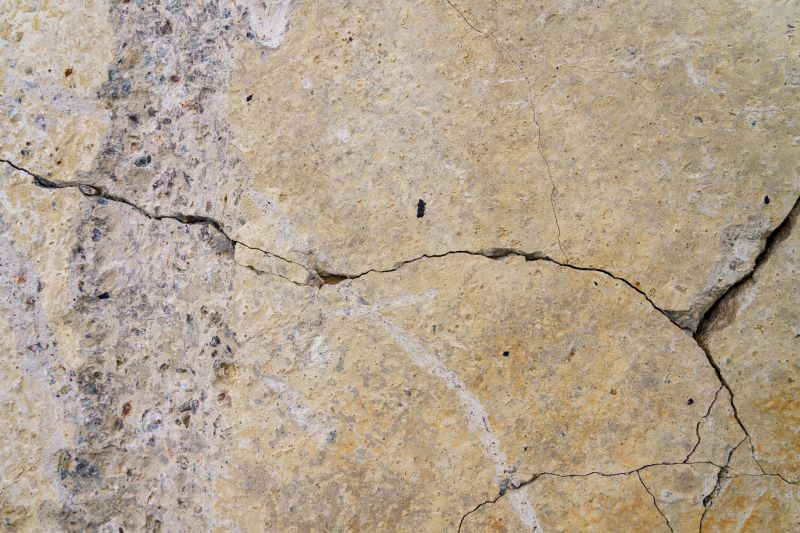
When evaluating commercial concrete slab crack repair services, it is important to consider the experience of local contractors with similar projects. Contractors who have handled repairs for commercial slabs comparable in size, usage, and exposure are more likely to understand the specific challenges posed by common causes of cracks in commercial concrete slabs. Their familiarity with these issues can lead to more effective solutions and a clearer understanding of the potential underlying problems that contribute to cracking, such as settlement, temperature changes, or improper mixing. Ensuring that a service provider has a proven track record with projects like yours can help in selecting a team that is well-versed in addressing the unique conditions that lead to cracks.
Clear written expectations are essential when comparing local service providers for concrete slab crack repair. A reputable contractor will typically provide detailed descriptions of the scope of work, methods used, and the materials involved, helping to establish a mutual understanding of what the repair process entails. This transparency can prevent misunderstandings and ensure that both parties are aligned on the project’s objectives. When reviewing proposals or estimates, it is beneficial to look for contractors who articulate their approach to diagnosing the root causes of cracks and how they plan to address them, especially considering the common causes of cracks in commercial slabs.
Reputable references and good communication are key factors in selecting a reliable local contractor for concrete slab repairs. Contractors who can provide references from previous clients with similar projects offer insight into their workmanship and professionalism. Additionally, effective communication-such as responsiveness, clarity in explanations, and willingness to answer questions-indicates a contractor’s commitment to customer service and transparency. These qualities are valuable when navigating the complexities of crack repair, as understanding the potential causes and recommended solutions can influence the longevity and performance of the repair work. Choosing a service provider with solid references and open communication can contribute to a smoother process and a more satisfactory outcome.
Property owners often search for common causes of cracks in commercial concrete slabs when they are planning practical projects around their homes and businesses. Local pros provide Commercial Concrete Slab Crack Repair services for everyday jobs and straightforward project options.
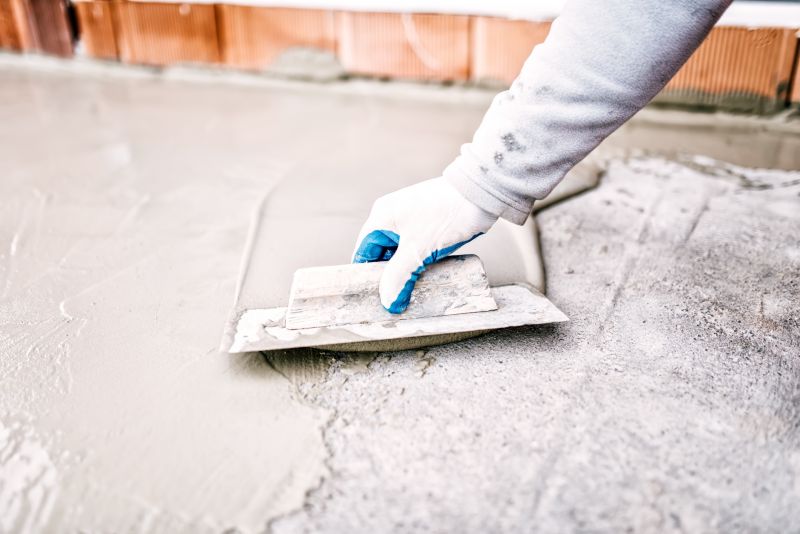
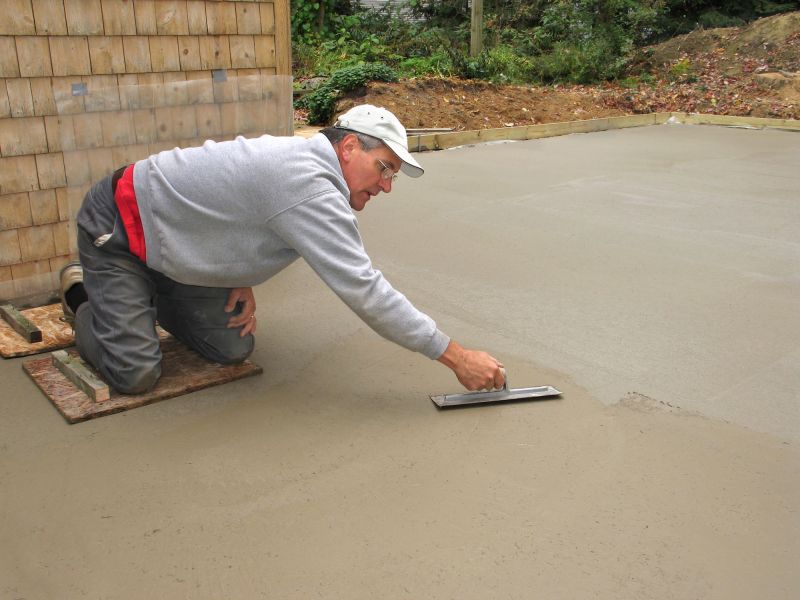
Understanding the common causes of cracks in commercial concrete slabs can help property owners identify potential issues early and seek appropriate repairs. Everyday project situations, such as improper soil preparation before pouring or using concrete with inconsistent mixing, often lead to cracking over time. Additionally, heavy loads or frequent traffic on the slab can exert stress that causes cracks to develop, especially if the slab was not designed to handle such weight. Recognizing these factors can prompt property owners to connect with local contractors who specialize in commercial concrete slab crack repair, ensuring that any damage is addressed promptly and effectively.
Environmental conditions and construction practices also play a significant role in cracking. For example, concrete that cures too quickly or experiences rapid temperature changes can develop stress cracks. Poor joint placement or inadequate reinforcement during installation may also contribute to the problem. Property owners searching for solutions often turn to local service providers who understand these common issues and can evaluate the specific causes of cracks in their slabs. These professionals can recommend appropriate repair methods to restore the integrity and longevity of the concrete surface.
What are common causes of cracks in commercial concrete slabs? Common causes include ground settlement, improper curing, thermal expansion and contraction, and structural overloads, which can all lead to cracking if not addressed during installation or over time.
How does ground movement lead to cracks in concrete slabs? Soil shifting or settling beneath the slab can create stress and result in cracks, making it important to have experienced contractors assess and repair such issues.
Can temperature changes cause cracks in commercial concrete slabs? Yes, temperature fluctuations cause expansion and contraction of concrete, which can lead to cracking if joints are not properly designed or if the slab is exposed to extreme conditions.
What role does improper installation play in cracking of concrete slabs? Poor preparation, inadequate reinforcement, or improper pouring techniques can weaken the slab and increase the likelihood of cracks developing over time.
How can local contractors help with cracks caused by structural overloads? Skilled service providers can evaluate the slab’s load capacity and perform repairs or reinforcements to prevent further cracking and ensure structural integrity.
Soil settlement - understanding how soil movement can cause cracks allows property owners to work with local contractors to evaluate and stabilize the ground beneath slabs.
Heavy loads - recognizing the impact of excessive weight helps property owners plan for proper load distribution and seek repairs from local pros when cracks appear.
Poor joint placement - knowing the importance of control joints encourages proper planning during installation and timely repairs from local contractors to prevent further cracking.
Temperature fluctuations - being aware of thermal expansion and contraction guides property owners to work with local pros on crack repair and mitigation strategies.
If you are thinking about common causes of cracks in commercial concrete slabs for a property, this guide is meant to help you understand this topic, the typical project types, and how different options might fit your plans.
When you are ready, you can use the quote form on this page to share a few details about your project. From there, local pros can review the basics and follow up with options that match what you have in mind.